

316 UCB, 80309-0316
ATLAS Center 329 303-492-7574 303-492-1362

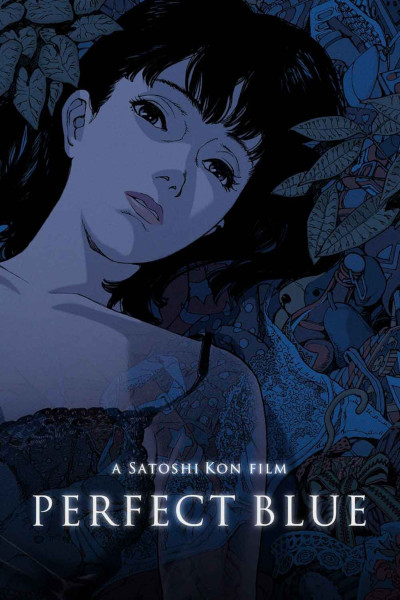
Disclaimer: This film contains graphic depictions of sexual assault.
Satoshi Kon thought he was making a mere straight-to-video release when he began production on Perfect Blue. To his surprise, the project was rescheduled for theaters. At that point the director had already made Perfect Blue under the assumption it would not be seen by the general public, so it was unclear how everyone would respond to the film’s incredibly dark portrayal of Japan’s entertainment business.
Kon’s Perfect Blue has little in common with its source material. Much of what viewers see in the 1997 film is the work of Kon and screenwriter Sadayuki Murai rather than a faithful adaptation of Yoshikazu Takeuchi’s light novel. Things left untouched were the setting and Mima Kirigoe’s occupational hazard. Of all the changes, the biggest was the genre switch. Takeuchi conceived a disturbing but straightforward tale of stalker horror, whereas Kon specifically wanted to make a psychological thriller. What might seem like a lateral move was more of an opportunity to bring out the emotional innards of the victim, as well as accentuate how her specific industry blurs the line between fantasy and reality.
From color choices to mise-en-scène, Kon makes every effort to expose Mima’s interiority as she continues to lose hold of herself. Nothing goes on here without it being crucial to character study. Every second and frame adds meaning to the story. An increasingly disarranged apartment reflects Mima’s own deterioration; two fish surviving after the others die en masse refers to dual identities; the frequent use of the color red underscores the expanding chaos in Mima’s life. Most importantly, the internet’s presence is less about the evils of online culture and more about the fabricated reality inside the machine. In the same vein, all parts of Mima’s life — the idol business, the TV drama, Mima’s Room, the photoshoot — are manufactured. In short, nothing was ever real for Mima.
Satoshi Kon sadly left this world too soon, but in such a relatively short time, he became one of Japan’s most innovative modern directors. With Perfect Blue, he put a new and exciting spin on the psychological thriller. The timeless story and the complex characters, not to mention the fascinating visual language from start to finish, are only some of the reasons why fans keep coming back to Kon’s unparalleled debut.
— Paul Lê, Bloody DisgustingThu April 4, 2024, 7:30 PM, Muenzinger Auditorium
Japan, 1998, in Japanese, 81 min • official site
Director: Satoshi Kon, Screenplay: Sadayuki Murai, Original Story: Yoshikazu Takeuchi, Cast: Junko Iwao, Rica Matsumoto, Shiho Niiyama, Masaaki Okura, Shinpachi Tsuji
